
______
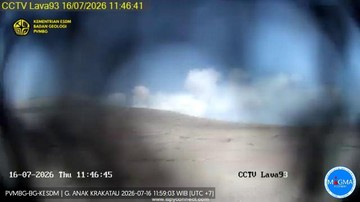
BPBD Banten announced that the condition of Gunung Anak Krakatau has begun to subside, still remaining at Level III. It is hoped that the status will be lowered to Level II. The public is advised not to approach the area.
As the volcano’s fury subsides, the focus shifts from the explosive power of its eruptions to the long-term consequences of its activity. Gunung Anak Krakatau’s recent eruption on July 11, 2026, was a stark reminder of the region’s volcanic heritage and the importance of monitoring its activity.
The eruption itself was a spectacular display of nature’s raw energy, with pyroclastic flows and ash clouds spewing forth from the volcano’s summit. The sheer force of the blast sent shockwaves through the surrounding landscape, causing widespread damage to local infrastructure and disrupting daily life for those living in the vicinity.
In the aftermath of the eruption, authorities scrambled to assess the extent of the damage and provide assistance to affected communities. Emergency responders worked tirelessly to evacuate those trapped in the affected areas, while scientists from various institutions flocked to the scene to study the volcano’s behavior and provide critical data to inform future responses.
As the dust settles, attention turns to the long-term implications of Gunung Anak Krakatau’s activity. The volcano’s periodic eruptions have always been a fact of life for locals, but the sheer scale and intensity of this latest event has raised concerns about the potential impact on regional ecosystems and human populations.
In the days and weeks ahead, scientists will continue to monitor the volcano’s activity closely, providing critical insights into its behavior and offering crucial guidance to those tasked with mitigating its effects. As the situation evolves, it is clear that Gunung Anak Krakatau remains a potent force in the region, one that demands respect, caution, and continued vigilance.
#Krakatau #VolcanicActivity #Indonesia